Will laser cleaning damage materials?
Laser cleaning technology is gaining popularity in industrial manufacturing, artifact restoration, a...
Basic Principles
Laser rust removal is primarily based on the thermal interaction between laser light and the material, specifically encompassing the following physical processes:
1. Ablation: The laser beam is focused onto the rust layer, delivering an extremely high energy density (typically between 10^8 and 10^10 W/cm²). Upon absorbing the laser energy, the rust layer rapidly heats, vaporizes, or plasmatizes, creating micro-explosions that lift the rust off the surface.
2. Thermal Expansion and Shock Waves: The rust layer and the substrate have different thermal expansion coefficients. The laser pulse induces rapid heating, causing the rust layer to expand, crack, and detach. Simultaneously, the generated shock wave further assists in the removal process.
3. Photochemical Effect (in some cases): Lasers with certain wavelengths (such as UV lasers) can induce molecular bonds in the rust layer to break, but thermal effects generally dominate.
Process Steps
1. Laser Source Generation: A pulsed laser (such as a fiber laser, Nd:YAG laser, or CO2 laser) is used, typically with a wavelength of 1064 nm (near-infrared) and pulse durations ranging from nanoseconds (ns) to femtoseconds (fs). Power ranges from tens of watts to several kilowatts.
2. Beam Transmission and Focusing: The laser is transmitted via an optical fiber or mirror assembly to a galvo scanner, where it is focused into a micron-sized spot (spot diameter 10-100 μm).
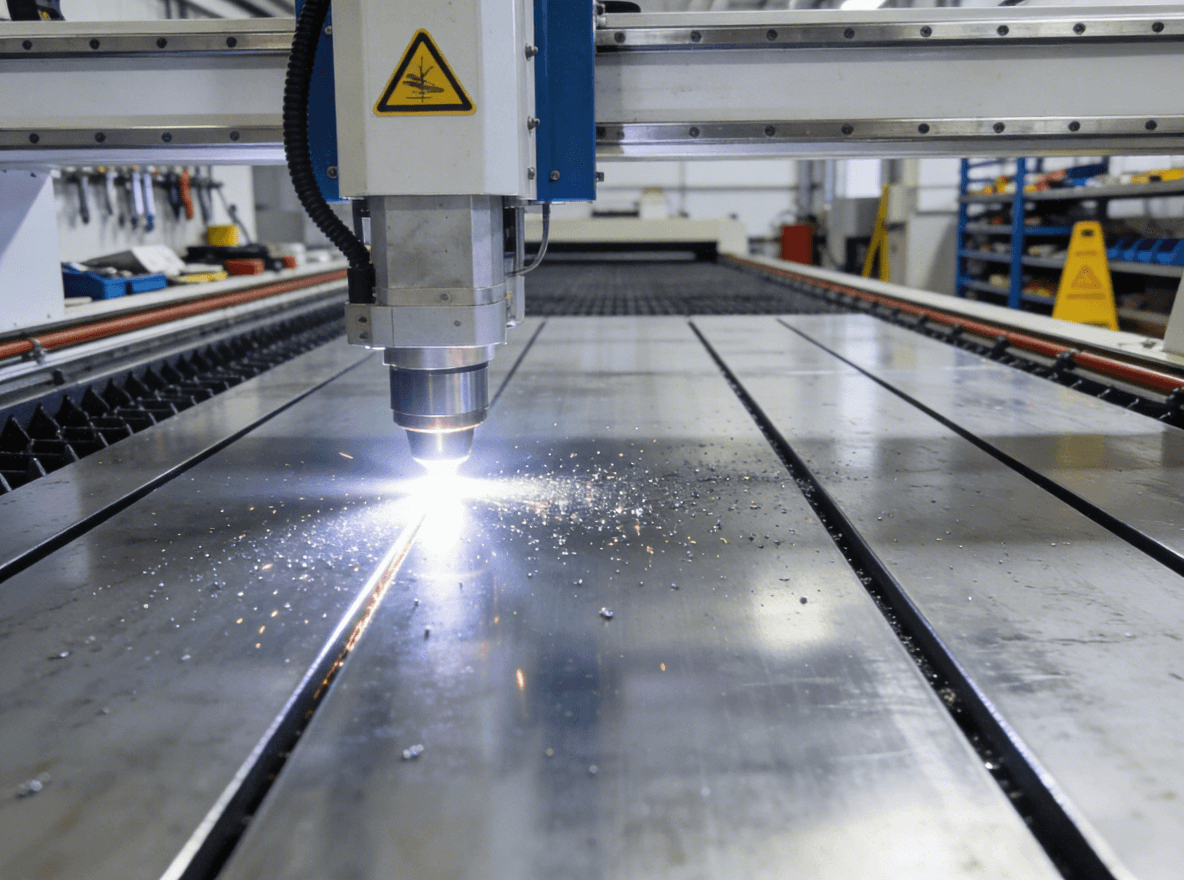
3. Scanning Surface: An operator or robotic arm controls the laser head to scan the rusted surface at speeds of up to several meters per second. The rust layer evaporates instantly under laser irradiation (temperatures can reach thousands of degrees Celsius), generating smoke and particles.
4. Waste Disposal: The removed rust is collected by a vacuum system to prevent secondary contamination. No chemical waste is generated during the entire process.
Influencing Factors
1. Laser Parameters: Too high an energy density may damage the substrate, while too low may result in incomplete removal. Pulsed lasers are superior to continuous lasers because they reduce heat dissipation.
2. Material Properties: Suitable for rusting metals such as steel, iron, and aluminum; they are also effective for paints and coatings.
3. Environmental Control: The process is typically performed under an inert atmosphere (such as nitrogen) to prevent reoxidation.
Laser cleaning technology is gaining popularity in industrial manufacturing, artifact restoration, a...
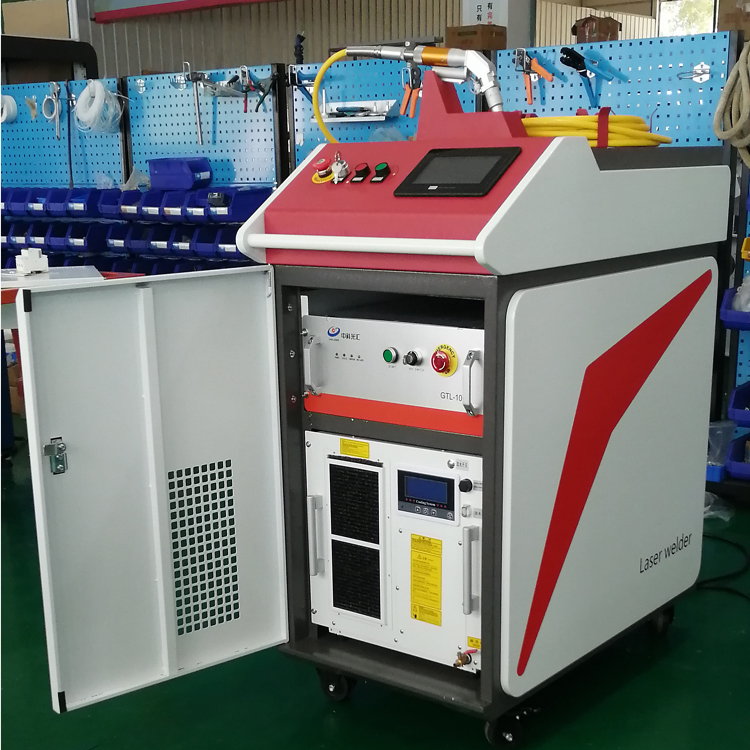
A laser welding machine is an advanced welding device that uses a high-energy laser beam as a heat s...
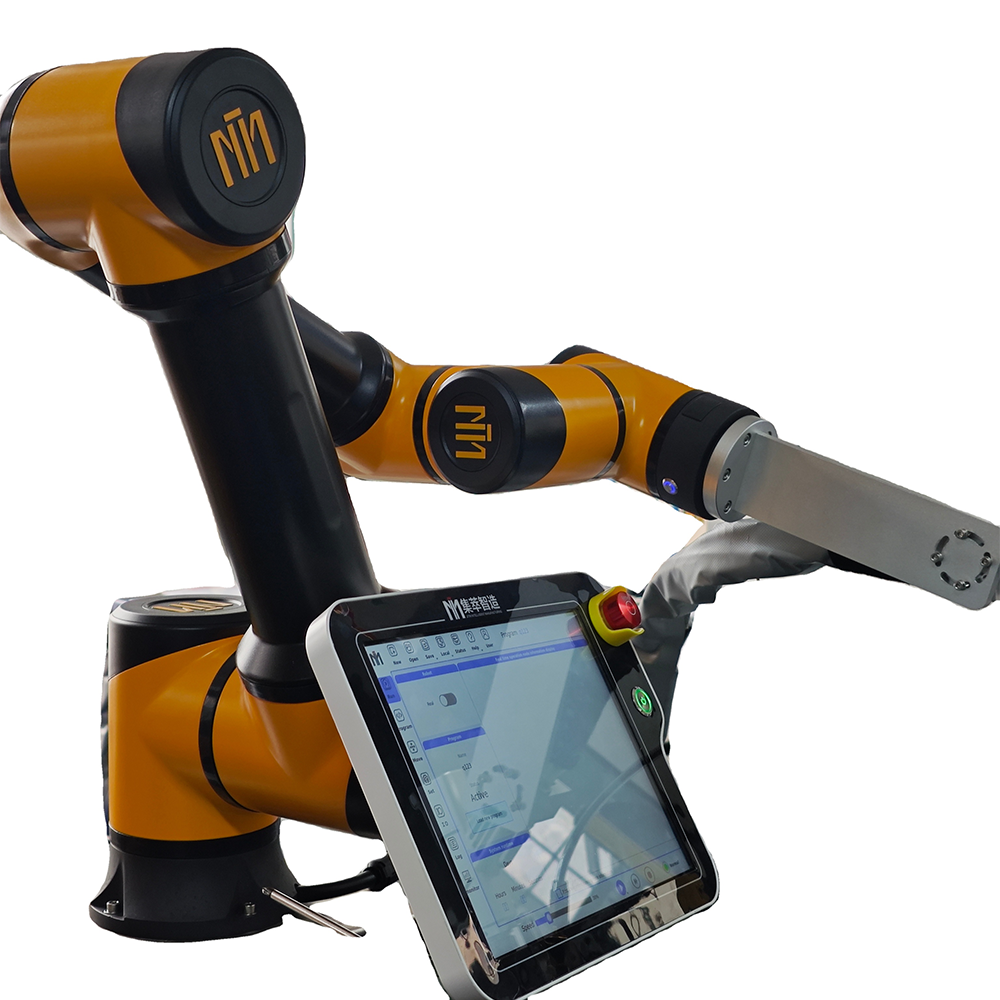
Laser welding robots at work – the "intelligent arms" of precision manufacturing.
Against the backdrop of a laser welding machine market projected to reach $8.5 billion by 2025 with ...