Will laser cleaning damage materials?
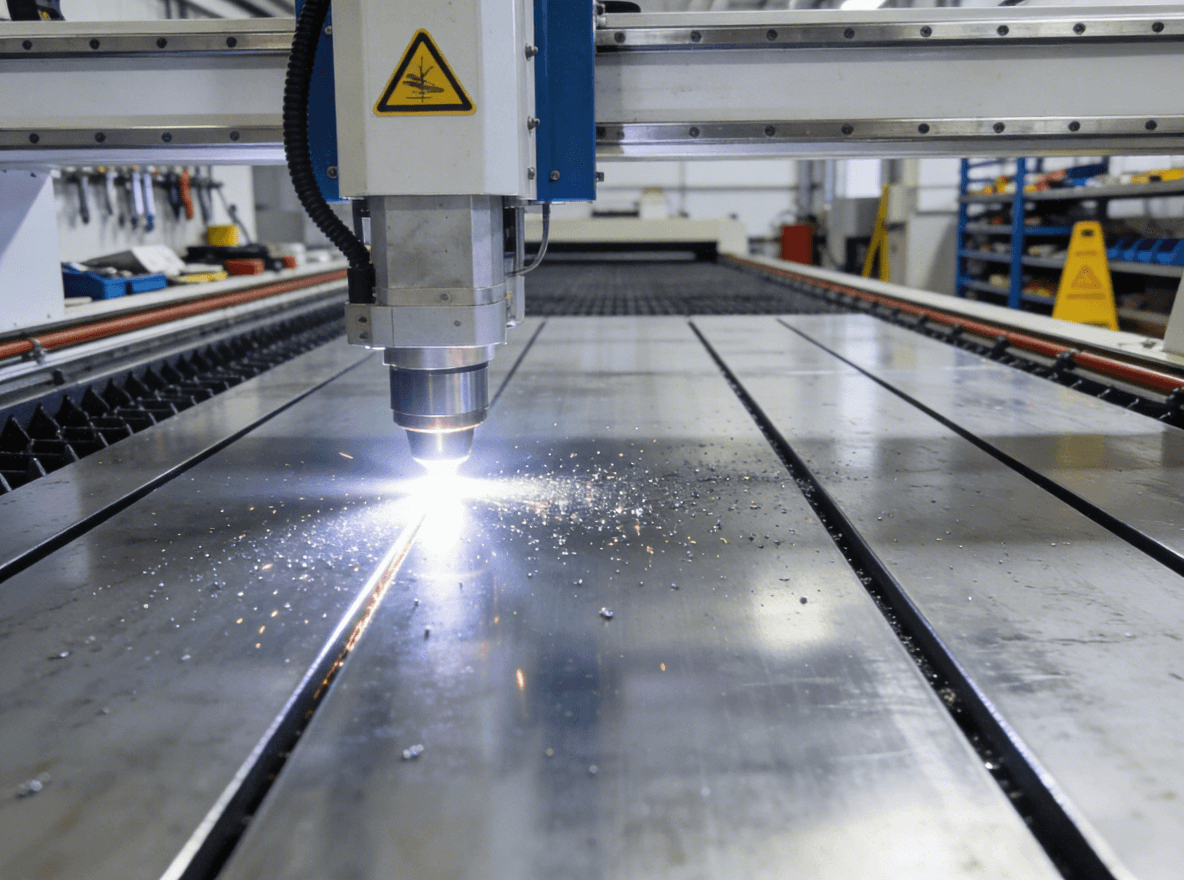
Laser cleaning technology is gaining popularity in industrial manufacturing, artifact restoration, a...
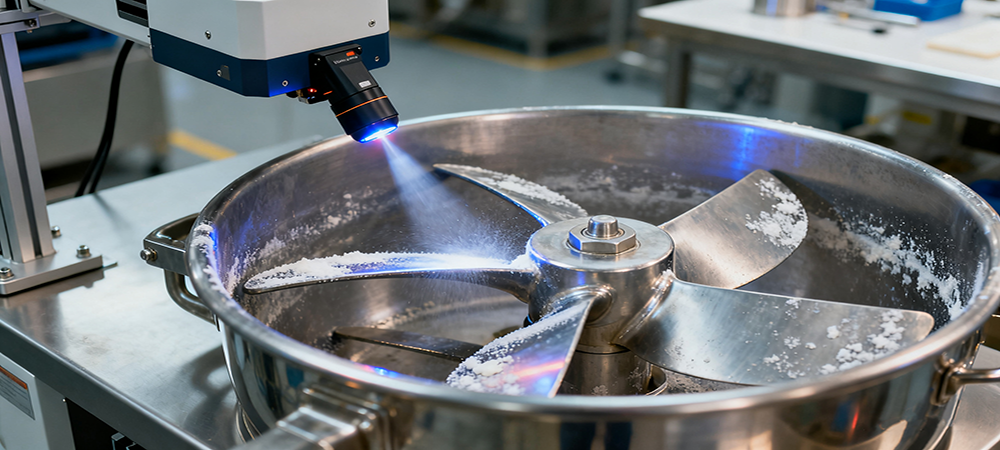
Laser cleaning machines significantly improve hygiene, efficiency, and sustainability in the food industry. Specific impacts include:
Improved Food Safety and Hygiene:
Highly Efficient Sterilization: Laser high temperatures (instantaneously reaching thousands of°C) destroy bacteria (such as E. coli and Salmonella), viruses, and biofilms (such as protein gels), reducing the risk of cross-contamination. Compared to chemical cleaning, laser cleaning leaves no disinfectant residue, complying with the GB 4806 standard for food contact materials.
Cleansing Precision: Removes micron-level contaminants (such as oil films and carbonized particles), maintains a surface contact angle of less than 10°, ensures smooth equipment, and reduces microbial growth. Case study: After using laser cleaning, a dairy plant reduced its bacterial detection rate to 0.01%.
Improved Production Efficiency:
In-line Cleaning: No equipment disassembly (such as conveyor belts and molds) is required, allowing continuous cleaning of the production line. Cleaning speeds reach several meters per second per pass, reducing downtime by 50-80% (compared to the traditional 2-3 hours).
Automation Compatibility: Integration with robotics or CNC systems reduces manual labor and is suitable for high-frequency, large-scale production environments (such as beverage filling lines).
Environmental Protection and Sustainability:
No Chemical Waste: Traditional cleaning generates 9kg of waste and 165kg of wastewater for every kg of pollutant, while laser cleaning consumes only 2-5kWh of electricity per hour and produces no wastewater, complying with EU REACH and China's Green Manufacturing Standards.
Energy Savings and Emission Reductions: Reduced water consumption and chemical handling help food companies achieve ESG goals (such as carbon neutrality). One biscuit factory saved 200,000 yuan in annual water costs.
Economic Benefits:
Low Maintenance: No consumables (such as cleaning agents or sandpaper) are required, and the laser light source has a lifespan of >100,000 hours, reducing long-term operating costs by 30-50%.
Extended Equipment Life: Non-contact cleaning does not abrade substrates (such as stainless steel and aluminum), reducing equipment replacement frequency.
| Application Areas | Equipment/Components | Cleaning objects | Advantages |
| Baking Industry | Baking trays, molds, oven walls | Grease, caramel, carbonized residue | No chemical residue, quickly removes stubborn coke |
| Frying/Cooking | Deep fryers, frying pans, heat exchangers | Oil stains, protein residues, carbon deposits | Precisely clean complex surfaces to extend equipment life |
| Dairy processing | Milk tanks, pipes, mixers | Milk fat, protein gel, bacterial biofilm | The sterilization effect reaches 99.9%, in line with GMP standards |
| Beverage production | Filling machines, conveyor belts, filters | Syrup, juice residue, microorganisms | Online cleaning to reduce downtime |
| Meat/aquatic product processing | Cutting machines, freezing trays, conveyor belts | Fat, blood, and fishy odor deposits | Removes odor sources without washing |
| Packaging equipment | Sealing machine, labeling machine | Adhesives, ink, dust | Non-contact, avoiding wear on precision parts |
| General production line | Extruder, boiler, storage tank | Rust, oxide layer, dirt | Restore equipment performance and reduce maintenance frequency |
Laser cleaning technology is gaining popularity in industrial manufacturing, artifact restoration, a...
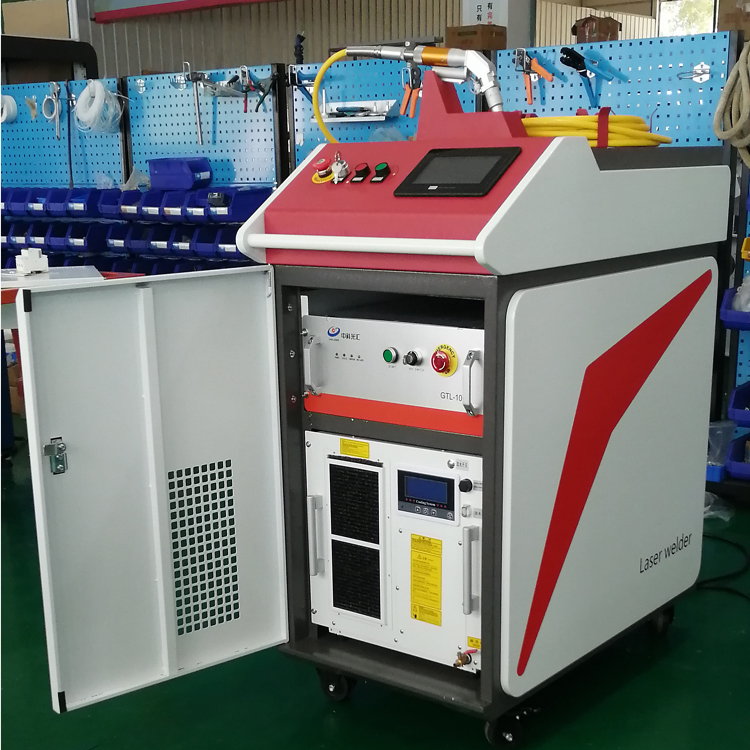
A laser welding machine is an advanced welding device that uses a high-energy laser beam as a heat s...
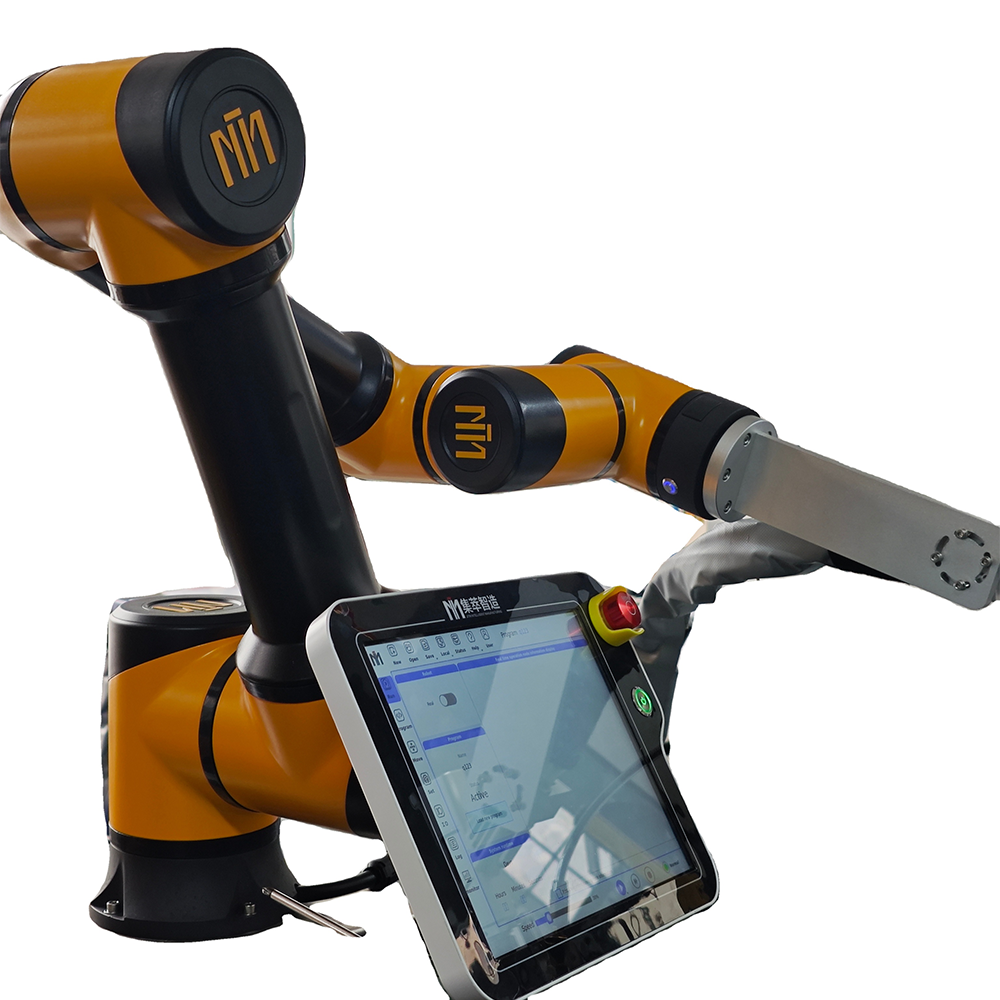
Laser welding robots at work – the "intelligent arms" of precision manufacturing.
Against the backdrop of a laser welding machine market projected to reach $8.5 billion by 2025 with ...